


When it comes to wall cladding for a renovation or new build in the Philippines, most people default to what they know: cement plaster, paint, tiles, or wood. These materials have been the standard for decades. But there is a modern alternative that is gaining fast adoption among contractors, engineers, and architects across the country.
Aluminum composite panels (ACP) offer a flat, sleek, low-maintenance alternative to traditional cladding at a competitive cost. This guide gives you a clear, practical comparison so you can make the right specification decision for your next project.
What Is an ACP Sheet?
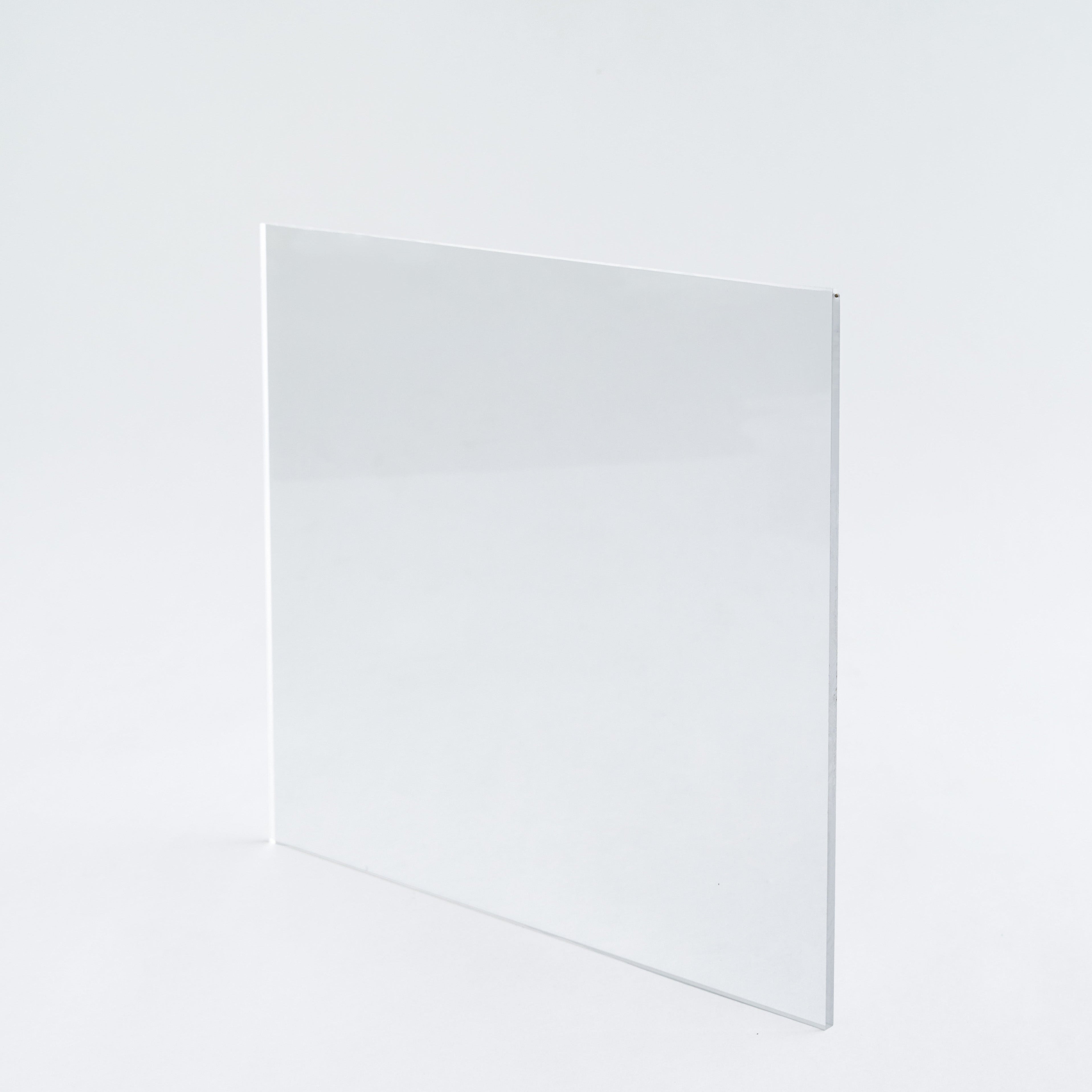
An ACP sheet, or aluminum composite panel, is a lightweight building panel made of two aluminum sheets bonded to a polyethylene or mineral core. The result is a rigid, flat panel that is significantly lighter than solid aluminum, tiles, or concrete, but still structurally strong and weather-resistant.
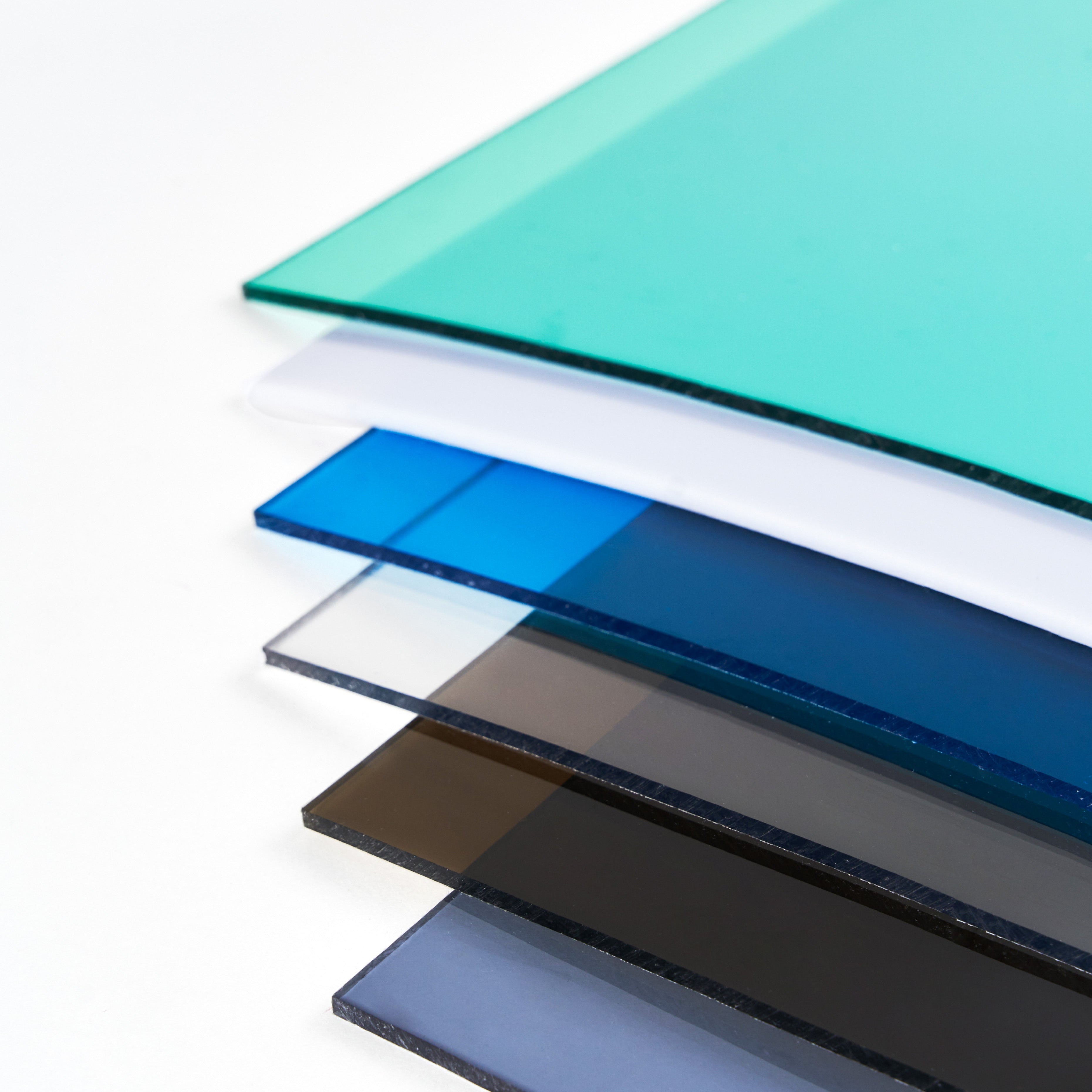
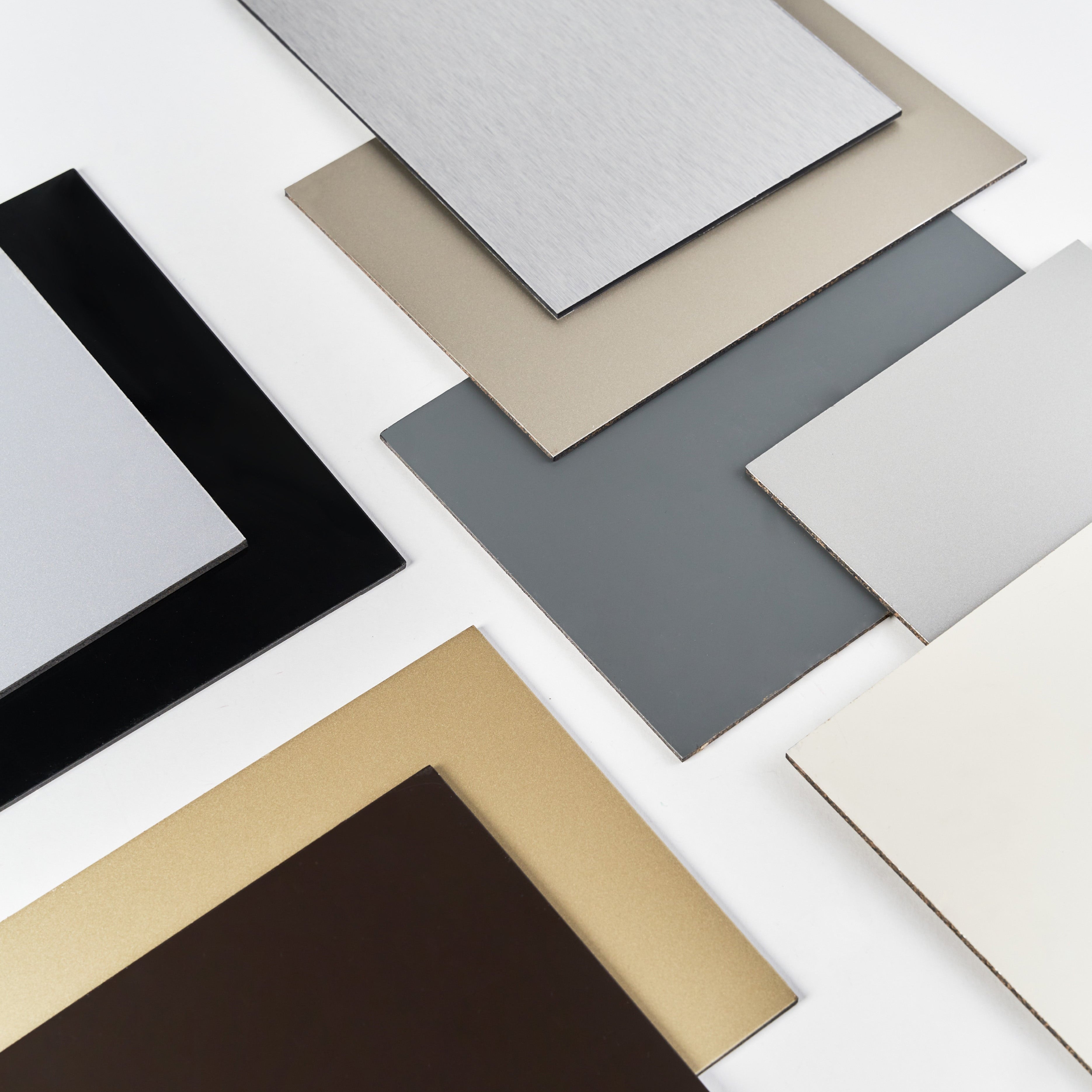
ACP is classified as a cladding material used on both the exterior and interior of buildings. On the outside, it is commonly used for building facades, shopfronts, signage boards, column cladding, and canopy soffits. Indoors, it is used for feature walls, reception counters, partitions, and ceiling accents. Available in a wide range of colors and finishes, including glossy, metallic, sparkling, and matte options.
What Is Traditional Wall Cladding?
Traditional wall cladding refers to the conventional materials that have been used in Filipino construction for generations. These include:
-
Cement plaster and paint: The most common exterior finish. Durable but prone to cracking, moisture damage, and requires repainting every few years
-
Ceramic and porcelain tiles: Popular for commercial exteriors and feature walls. Attractive but heavy, requires grouting, and chips over time
-
Wood cladding: Warm and natural-looking but susceptible to rot, termites, and warping in the Philippines' tropical climate
-
Exposed concrete or brick: Sturdy and low-cost but limited design flexibility and requires sealing to prevent moisture penetration
Each of these materials has its place, but they all share a common limitation: they are either heavy, high-maintenance, or slow to install.

ACP vs. Traditional Cladding: Side-by-Side Comparison
Here is how ACP sheet stacks up against traditional cladding material across the most important decision factors for contractors and project owners:
| Category | ACP Sheet (Aluminum Composite Panel) | Traditional Cladding (Cement / Tiles / Wood) |
|---|---|---|
| Cost | Affordable per sqm for large areas; competitive for modern finishes | Varies widely; tiles and premium stone are expensive; paint is cheap but needs reapplication |
| Weight | Very lightweight (13 kg per 1.22m x 2.44m panel) | Heavy (concrete, brick, tiles add significant structural load) |
| Installation Time | Fast — panels are cut and mounted on a sub-frame | Slow — plastering, tiling, and curing require days or weeks |
| Durability | High — weather-resistant, UV-coated, and corrosion-resistant | Varies — cement plaster can crack; wood rots; tiles chip |
| Maintenance | Very low — wipe clean, no repainting needed | Higher — plaster needs repainting, wood needs re-staining, grout needs cleaning |
| Design Options | Wide range of colors and finishes including glossy, metallic, and matte | Limited to paint colors; tiles offer variety but are rigid in application |
| Best For | Modern facades, commercial buildings, shopfronts, interior feature walls | Heritage homes, budget builds, areas where traditional aesthetics are required |
|
KEY TAKEAWAY For most modern residential and commercial projects in the Philippines, ACP offers faster installation, lower long-term maintenance, and a more contemporary aesthetic at a cost that is competitive with mid-to-high-end traditional cladding options. |
When Traditional Cladding Still Makes Sense
ACP is not the right choice for every situation. Here are cases where traditional cladding materials remain the better option:
- Heritage and ancestral homes: Traditional architecture often requires materials that match the original construction, and ACP would be out of place aesthetically
-
Very tight budgets: Plain cement plaster and paint remains the most affordable option for tight construction budgets where finish quality is not a priority
-
Wet areas requiring full waterproofing: For bathrooms and areas with constant water contact, ceramic or porcelain tiles remain the proven choice
-
Structural fill requirements: ACP is a cladding material, not a structural infill. Where walls need to provide load-bearing strength, masonry or concrete remains appropriate
When to Choose ACP for Your Project
ACP is the right choice when you need a modern look, fast installation, and low long-term maintenance. Here are the situations where it clearly wins:
- New building facades and exterior cladding: ACP is now the standard finish for modern commercial buildings, shopfronts, and residential exteriors across Metro Manila and beyond
-
Fast renovation and remodeling: Panels can be cut, fabricated, and mounted in a fraction of the time it takes to re-plaster or re-tile a facade
-
Lightweight structural requirements: At 13 kg per 1.22m x 2.44m panel, ACP adds minimal load to the structure versus tiles or brick
-
Interior feature walls and accents: Reception desks, interior column cladding, ceiling soffits, and accent panels in offices, retail stores, and hotels
-
Signage and commercial identification: ACP is one of the most widely used modern roofing materials and signage substrates for storefronts and commercial properties due to its flatness and workability
Browse the full range of Alutech ACP colors and specifications at the Builders Home ACP collection.
Which Type of ACP Should You Use: PE or PVDF?
Not all aluminum composite panels are the same. There are two main grades available at Builders Home, and the right choice depends on your application:
| Factor | ACP PE | ACP PVDF |
|---|---|---|
| Core Coating | Polyethylene (PE) | Polyvinylidene Fluoride (PVDF) |
| Best For | Interior applications, signage, light exterior | Full exterior cladding, facades, high-UV areas |
| UV Resistance | Standard | Superior, designed for prolonged sun exposure |
| Price Range | From ₱1,750 per panel | From ₱2,750 per panel |
| Recommended When | Budget is a factor; interior or semi-exterior use | Long-term exterior project; coastal or high-sun areas |
For exterior facade cladding in the Philippines — where panels are exposed to intense sunlight, rain, and humidity year-round — ACP PVDF is the recommended choice for long-term performance. For interior applications, signage, and semi-covered exterior areas, ACP PE is a cost-effective and reliable option.
Both grades are available at Builders Home ACP Collection. You can also view full product specifications from the brand source at Polylite ACP PE and Polylite ACP PVDF.

ACP Installation: What Contractors Need to Know
Proper installation is critical to getting the best out of your aluminum composite panel. Here are the key steps every contractor should follow:
-
Design and measure first: Plan your panel layout, accounting for panel size (1.22m x 2.44m), joints, corners, and expansion gaps before ordering
-
Install an aluminum sub-frame: ACP must be mounted on a structural aluminum framing system, not directly bonded to the wall surface
-
Use proper fabrication tools: Score and cut ACP with a circular saw or router to achieve clean, flat edges
-
Secure with rivets or panel clips: Use aluminum rivets or concealed panel clips for a flat, seamless finish
-
Seal all joints: Apply neutral-cure silicone sealant at all panel joints to prevent water ingress, especially for exterior applications
Builders Home also has a video installation guide available on the Alutech ACP product page to help you get the installation right the first time.
For complementary exterior materials, browse the Roofing and Cladding collection and Outdoor Wall Panels at Builders Home.
|
Why Quality Matters: Alutech ACP at Builders Home Builders Home carries Alutech Aluminum Composite Panels — a trusted brand under Polylite Industrial Corporation, which is under Ascend Building Solutions Inc., the sister company of Builders Home (Koncept Pro Inc.) under the same group. Alutech is not a generic off-brand product. It is a professionally engineered aluminum composite panel with UV-coated surfaces, heat resistance, and sound insulation properties — purpose-built for Philippine weather conditions. Every panel comes with a downloadable Technical Data Sheet. Both PE (interior/light exterior) and PVDF (full exterior, high-UV) grades are available. When you source from Builders Home, you are buying directly from the brand group, with genuine product quality backed by technical documentation. Investing in quality ACP now means fewer callbacks, fewer repairs, and better project outcomes for your clients. |
Where to Buy ACP Sheets in the Philippines
Builders Home carries Alutech ACP panels in both PE and PVDF grades, available in 15+ colors including Glossy White, Pure White, Metallic Silver, Champagne Silver, Dark Grey, Galaxy Black, and more. Panel size is 3mm x 1.22m x 2.44m, priced in the range of ₱1,750 to ₱3,000 per panel depending on grade and color. Next-day delivery is available for orders placed before 12:00 PM, Mon to Fri.
What you get when you order from Builders Home:
-
Genuine Alutech ACP panels sourced directly from the brand group (Polylite/Ascend)
-
Both PE and PVDF grades available for interior and exterior applications
-
Technical Data Sheet downloadable from the product page
-
15+ color options including standard, metallic, galaxy, and sparkling finishes
-
Next-day delivery for orders before 12:00 PM, Mon to Fri
-
Request a Quotation by emailing hello@buildershome.com for bulk or commercial project orders
|
Ready to Specify ACP for Your Next Project? Browse our full range of Alutech Aluminum Composite Panels in PE and PVDF grades, available with next-day delivery across Metro Manila. |


